
Endometriosis: New Diagnostic Criteria & Pharmacological Game-Changers Beyond NSAIDs
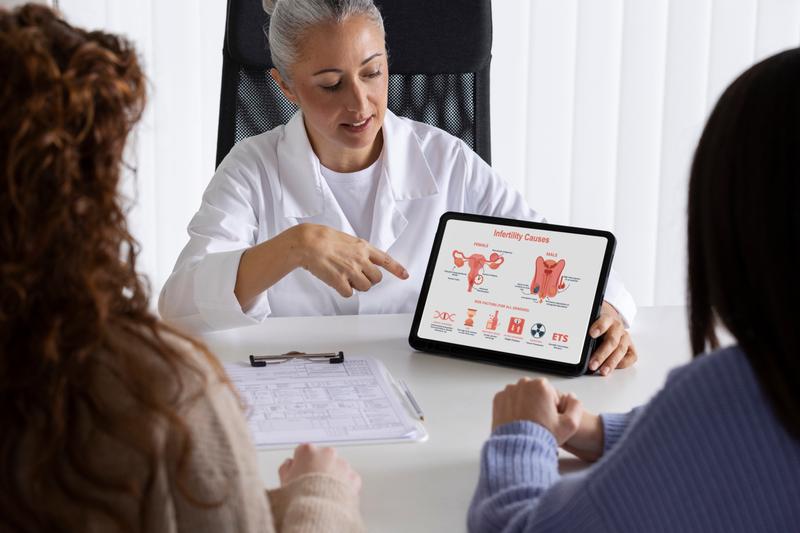
Moving from Pain Management to Disease Modification in Endometriosis
Endometriosis affects an estimated 190 million women globally, yet diagnostic delay of 7–10 years remains the unfortunate norm. New imaging protocols, non-invasive biomarker testing, and emerging pharmacological agents are collectively transforming this landscape — moving the specialty from pain control to genuine disease modification.
Diagnostic Revolution: From Laparoscopy to Imaging
Revised imaging protocols now detect 85% of endometriosis cases — compared to 40% with traditional ultrasound. The 2026 gold standard combines transvaginal ultrasound with multiparametric MRI, achieving diagnostic accuracy that rivals surgical assessment at dramatically lower cost and patient burden.
- Cost comparison: ₹8,000–12,000 for combined imaging versus ₹200,000+ for diagnostic laparoscopy
- Non-invasive biomarkers: Blood tests measuring cytokines, CA-125, and microRNAs are reaching 85% sensitivity, enabling monitoring of disease progression without repeated imaging
Pharmacological Innovation: Beyond NSAIDs
- GnRH agonists with add-back therapy: Estradiol + norethindrone add-back enables GnRH agonist efficacy without bone loss
- NK1 receptor antagonists: A novel mechanism targeting neuropathic pain signals independent of hormonal pathways (phase 2 trials, 2025–2026)
- Aromatase inhibitors: Off-label letrozole use in refractory cases has accumulating evidence
Fertility Preservation: A Proactive Approach
New strategies for endometriosis-associated infertility include oocyte vitrification before surgical treatment and personalised assisted reproductive technology approaches that account for endometriosis-specific ovarian reserve implications.
The Microbiome Connection
Dysbiotic gut and reproductive microbiota have been identified in 90% of endometriosis cases. Probiotic interventions targeting specific microbiome deficiencies are emerging as a complementary strategy.
Research Sources
- Fertility & Sterility journal (2024–2025 endometriosis updates)
- Human Reproduction Update (systematic reviews, 2025)
- ASRM position statements
- Nature Reviews Endocrinology (endometriosis pathophysiology, 2024)